Fishing Cord Rates Disclosed: Uncovering the Finest Price for Your Gear
Grasping fishing line prices is vital for anglers looking for value in their gear. The market provides a diverse range of options, each with distinct characteristics and costs. Elements like composition and brand can strongly influence pricing. As anglers make their way through these choices, they meet both chances and challenges. What should they give priority to to ensure top performance without breaking their budget? The answers are found in a close analysis of available lines and their advantages.
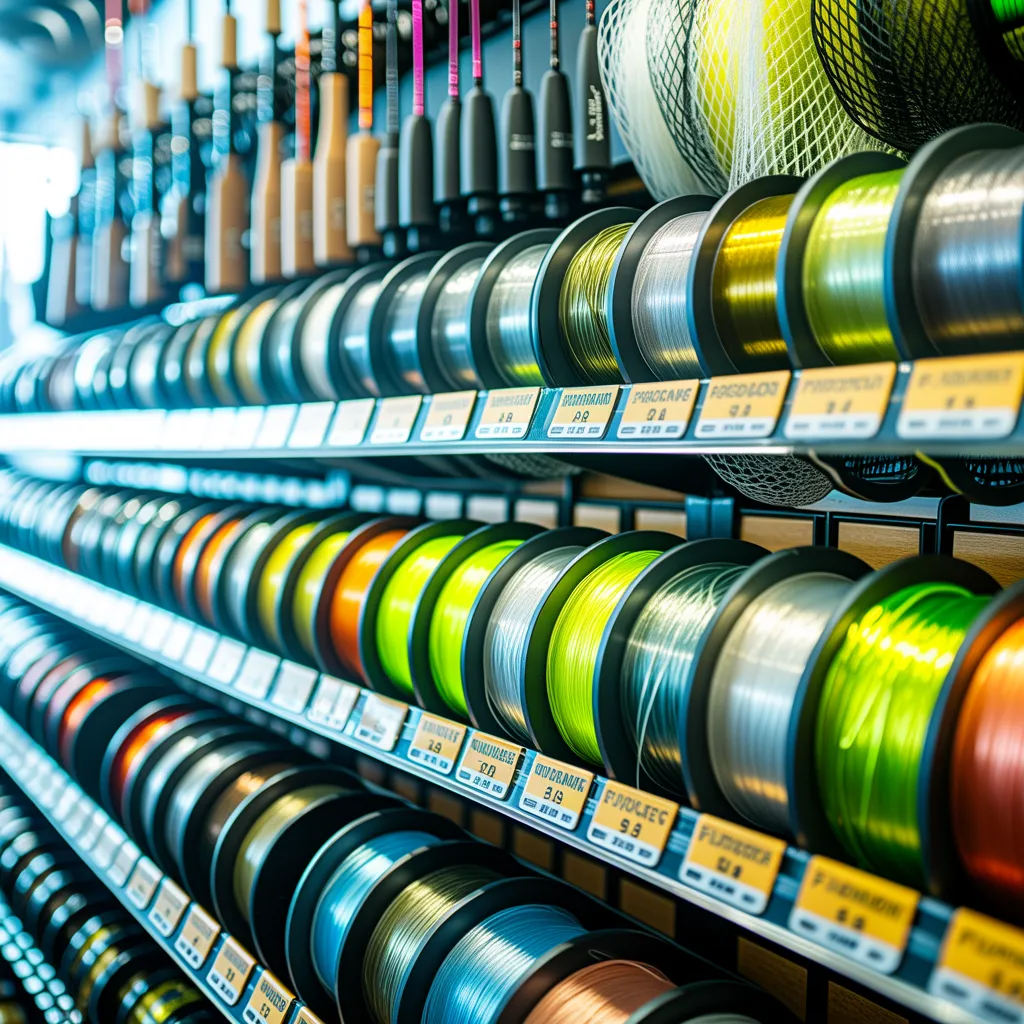
What Kinds of Fishing Lines Are Available and How Much Do They Price?
When fishermen review their options, they find a variety of fishing lines available, each with unique characteristics and price points. The most common types include monofilament, fluorocarbon, and braided lines. Monofilament is known for its flexibility and affordability, typically ranging from $5 to $30 per spool. Fluorocarbon, which provides excellent invisibility underwater, usually costs between $10 and $50, depending on the brand and diameter. Braided lines, known for their durability and sensitivity, can vary widely in price, often falling between $15 and $100, depending on the quality and length. Each type serves specific fishing techniques and conditions, influencing an angler's choice. Understanding the differences and associated costs helps anglers select the most suitable line for their needs, ensuring they invest smart in their fishing gear. Ultimately, the right fishing line enhances performance while aligning with budgetary considerations.
Key Elements Influencing Fishing Line Costs
Several aspects influence the prices of lines used by anglers, influencing the final cost for anglers. The type of material used is a major factor; options like monofilament, fluorocarbon, and braided lines each have different costs based on their production techniques and performance attributes. Additionally, brand reputation plays an important role, as recognized manufacturers often command higher prices for their products due to established trust and quality assurance.
The diameter, power, and extent of the line also influence pricing variations. Narrower, stronger lines usually demand more money because of innovative tech and materials. Changing seasons can further affect costs; prices may go up during peak fishing seasons as retailers adjust to market trends. Finally, the packaging along with extra features, like UV resistance or abrasion resistance, can elevate the total price, making it crucial that anglers take these factors into account when choosing their gear.
Ways to Pick the Ideal Angling Line when Budget is Tight
When selecting a fishing line on a limited funds, it is important to first assess personal fishing needs to guarantee the ideal choice for the nature of fishing. Comparing different varieties of line can uncover options that provide good quality without exceeding the budget. In addition, making use of special promotions can bring about substantial discounts, facilitating locate the best line at an affordable price.
Assess Your Fishing Requirements
Selecting the perfect fishing line can significantly impact both performance and cost, so it's crucial to evaluate angler's needs before purchasing. Anglers need to consider factors such as the form of angling they plan to use, the species targeted, and the fishing setting where they will fish. For example, freshwater fishing often demands different line qualities compared to saltwater fishing. Moreover, line tensile capacity, diameter, and visibility are essential in matching the fishing strategies used. Anglers mindful of budget should also consider their fishing frequency, as this often guides the choice between top-tier lines versus more affordable options. In the end, a customized approach guarantees anglers make informed investments in a fishing line that fulfills their individual demands without overspending.
Study Wire Types
While options for fishing lines can seem overwhelming, understanding the different types available helps anglers make informed decisions without straining their budgets. Monofilament lines are inexpensive and versatile, making them good for beginners. They have good stretch, which is useful for absorbing shocks but might need more frequent replacements. Braided lines, though costlier, offer superior strength and heightened sensitivity, permitting narrower lines. This can produce financial savings over time, especially for seasoned anglers aiming at larger fish. Fluorocarbon lines, often the most expensive, provide low visibility underwater and outstanding abrasion resistance. Selecting the right type ultimately depends on the fishing environment, target species, and personal preference, enabling anglers to maximize their gear investment.
Check out Seasonal Sales
Seasonal discounts provide an excellent opportunity for anglers to find high-quality fishing lines at reduced prices. Retailers frequently reduce prices on fishing gear during specific times of the year, such as pre-summer or post-holiday sales, allowing budget-conscious anglers to gather key supplies. By watching these sales, anglers can get premium lines, including monofilament, braid, and fluorocarbon, without exceeding their budget. Additionally, signing up for newsletters or following brands on social media can provide alerts on upcoming promotions. Before purchasing, it is advisable to compare prices across various retailers to guarantee the best deal. Ultimately, strategic shopping during seasonal sales enables fishermen to improve their gear while staying within budget.
Brand Comparison: Price and Standard of Fishing Lines
The fish line market features an array of brands, each presenting distinct alternatives regarding price and standard. Established brands like Berkley and Stren usually command higher fees because of their reputation for reliability and performance. Berkley’s FireLine, for instance, is celebrated for its strength and responsiveness, making it a favorite among professional anglers despite its premium price.
Alternatively, brands like KastKing and SpiderWire offer competitive alternatives at bargain price points, drawing in budget-conscious consumers without sacrificing too much on quality. KastKing’s SuperPower line, for example, boasts impressive tensile strength and abrasion resistance, often at a fraction of the cost of premium lines.
Ultimately, the choice between brands often copyrights on the angler’s particular needs, preferences, and financial plan. Evaluating the balance of price and quality can lead to more educated purchasing decisions, making sure that anglers find the greatest value for their gear.
Best Locations to Purchase Fishing Line Offers
Where might fishermen locate the best deals on fishing line? Numerous options exist, spanning from local shops to online retailers. Local sporting goods stores often feature seasonal sales or promotions that provide substantial savings. Furthermore, big-box retailers often offer discounts, especially during busiest fishing seasons.
Online platforms like Amazon and eBay feature competitive prices alongside user reviews, making it simple for anglers to compare products. Specialty fishing websites frequently offer exclusive deals or bulk pricing, something especially beneficial for dedicated fishermen.
Another avenue for discounts includes subscription plans at fishing clubs or loyalty programs at major retailers, which may provide markdowns or rewards on future purchases. Social media and fishing forums can also inform anglers to flash sales or clearance useful tips events. By exploring these options, anglers can find the best value for their fishing line needs.
Common Mistakes to Avoid When Choosing Fishing Line
When choosing fishing line, anglers often fail to notice critical points that can greatly influence their fishing success on the water. One typical mistake is prioritizing cost over quality. While budget-friendly options may seem attractive, they can cause frequent breakages or poor performance. Furthermore, many anglers fail to take into account the line's compatibility with their specific fishing techniques. Using monofilament for delicate fishing or braided line for heavy cover may yield better results.
Another common oversight is neglecting to match line strength to the targeted species. Selecting a line that is too weak can result in lost catches, while one that is too strong may scare fish. Finally, anglers often underestimate the importance of line visibility; picking the wrong color can affect fish visibility and frighten them away. By avoiding these typical pitfalls, anglers can make more educated choices, enhancing their overall fishing experience.
Popularly Sought Questions
How frequently do I need to refresh my fishing line?
Generally, a fishing line ought to be swapped out every six months to a year, based on usage frequency and environmental conditions. Wear indicators, like threadbare spots or discoloration, suggest that a fresh line is needed.
Does Fishing Line Expire or Break Down With Time?
Fishing line can certainly wear out or degrade with time because of contact to sunlight, moisture, and chemicals. Routine inspections and correct storage can help extend its lifespan, ensuring peak performance during fishing activities.
What constitutes the difference between Monofilament and Fluorocarbon lines
Monofilament lines are elastic, providing shock absorption, whereas fluorocarbon lines are more invisible underwater and have superior abrasion resistance. Each style serves multiple fishing conditions, influencing choice by factors like visibility and sensitivity.
Are Environmentally Friendly Fishing Line Choices Currently Available?
Yes, there are green fishing line options available, including monofilament that is biodegradable and recycled materials. These alternatives aim to minimize environmental impact while maintaining performance, offering anglers with eco-conscious choices for ethical fishing practices.
Can the color of fishing line alter your fishing success?
The shade of fishing line can affect fishing success, since some colors may be less visible underwater, depending on the environment. Anglers frequently experiment with a variety of colors to identify which delivers the best outcomes in particular conditions.